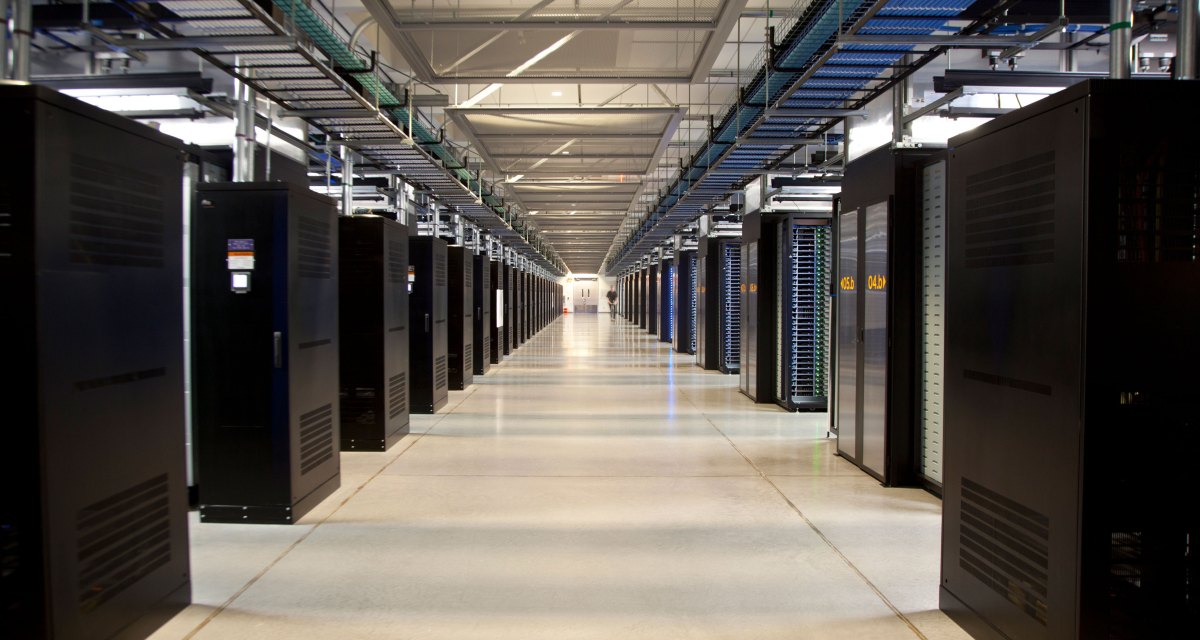
As energy demand for data centers soars, environmental groups are calling for a moratorium on the approval and construction of new facilities.
More than 230 organizations, including Food & Water Watch, Friends of the Earth, and Greenpeace signed a public letter urging members of Congress to support a national moratorium on the approval and construction of new data centers, citing rising electricity and water consumption.
“The rapid, largely unregulated rise of data centers to fuel the AI and crypto frenzy is disrupting communities across the country and threatening Americans’ economic, environmental, climate and water security,” the letter reads.
Several studies have linked higher energy prices to the arrival of new data centers in a region. Consumers have been arriving at similar conclusions: A recent survey, commissioned by solar installer Sunrun, found that eight in 10 consumers were worried about data centers negatively affecting their utility bills.
Electricity prices have already shot up 13% this year, bigger than any annual increase in the past decade.
The effects are expected to be felt most in a handful of states, including Virginia, Pennsylvania, Ohio, Illinois, and New Jersey, which are slated for the largest increase in data center capacity.
Energy demand for data centers is expected to nearly triple in the coming decade, up from 40 gigawatts today to 106 gigawatts in 2035. Much of that will take place in rural areas.
Techcrunch event
San Francisco
|
October 13-15, 2026
“All this compounds the significant and concerning impacts AI is having on society, including lost jobs, social instability and economic concentration,” the environmental groups said.
Proposed data centers have become a flash point in recent days.
Last week, protestors marched outside the headquarters of utility DTE in Detroit. The company is requesting approval from the Michigan Public Service Commission to supply OpenAI and Oracle with electricity for a 1.4 gigawatt data center. Protestors said they were concerned about the data center driving up electricity bills, using too much fresh water, and snarling traffic.
Also last week, three people were arrested in Wisconsin during a common council meeting about a 902 megawatt data center that’s slated to be part of OpenAI and Oracle’s Stargate project.
Keep reading the article on Tech Crunch
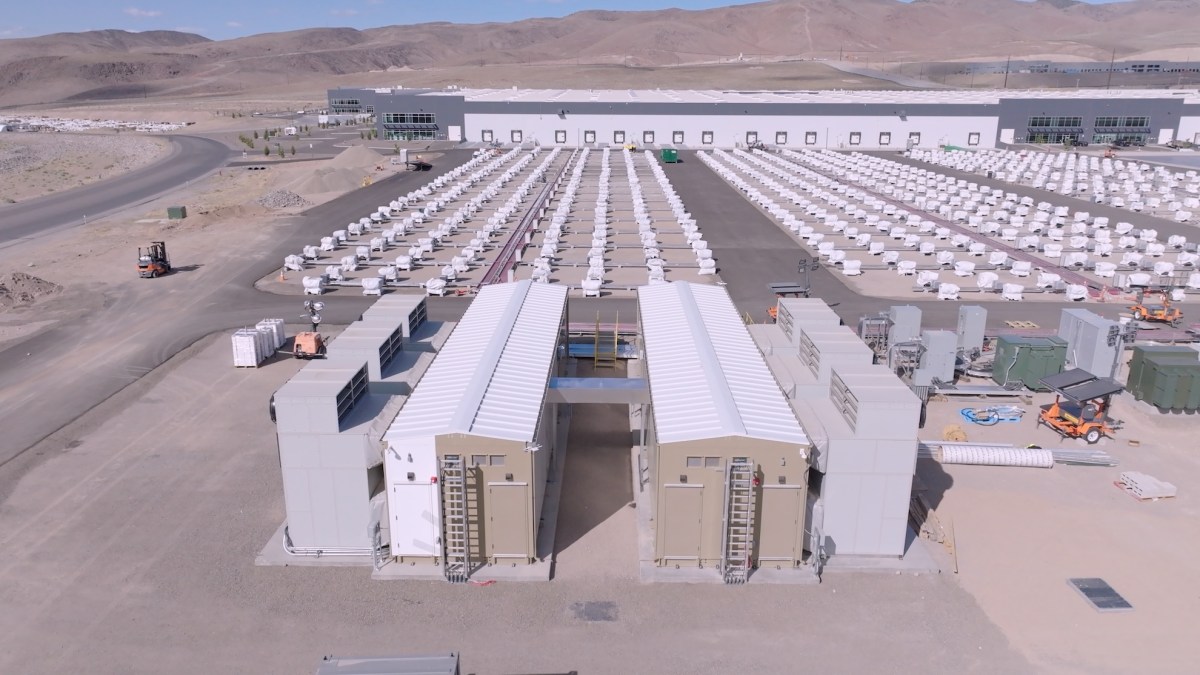
Nearly a decade ago, when the energy storage market was in its infancy, an industry organization set a dreamy goal: By the end of 2025, the U.S. would deploy 35 gigawatts of batteries connected to the grid.
So how’d the storage industry do? In the third quarter, 4.7 gigawatts of batteries were installed. In sum, more than 40 gigawatts have been deployed, and the year isn’t over, Canary Media reported. In eight years, energy storage went from a tiny player to one of the largest sources of new power on the U.S. grid.
What’s more, that’s nearly half of all new renewable power deployed on the grid for July through September, and this year, renewables have been the leading source of all new capacity, according to the Federal Energy Regulatory Commission.
Much of the new storage capacity has been deployed in Arizona, California, and Texas, states where the grid has been strained in recent years. Experts say that lessons learned there can help other regions deploy battery storage onto their grids, including the Midwest and East Coast, which are buckling under the weight of new data center construction.
Startups have been taking note.
Redwood Materials, which was co-founded by Tesla alumnus JB Straubel, in June added a new business line focused on repurposing used EV batteries for grid-scale storage. The company noticed two overlapping trends: The batteries that were arriving at its recycling facilities still had plenty of life left in them, and meanwhile, the battery storage industry was growing in leaps and bounds.
By 2028, Redwood plans to deploy 20 gigawatt-hours worth of battery storage. Investors have voiced their approval, investing another $350 million in the company to propel the new business line.
Techcrunch event
San Francisco
|
October 13-15, 2026
Another startup, Base Power, has taken a slightly different tack, leasing batteries to homeowners and aggregating them to serve as a large virtual power plant. The Austin-based startup raised $1 billion in October to help build a battery factory and fuel its expansion beyond Texas. The company has deployed more than 100 megawatt-hours of batteries in Texas.
While lithium-ion batteries have dominated new installations, other startups are pursuing other technologies that could lower storage costs significantly.
Sizable Energy is working on a novel way to store power in flexible reservoirs that float in the open ocean. Fourth Power is using blocks of carbon to store heat at super-high temperatures, and it’s looking to deploy them in 2028 at a cost that’s lower than lithium-ion batteries or peaking natural gas power plants. XL Batteries is deploying its flow-battery technology at petrochemical storage sites, allowing it to store hundreds of megawatt-hours using existing infrastructure. And, Cache Energy has developed inexpensive pellets of calcium hydroxide that could store energy for months with minimal losses.
Altogether, it points to an industry that’s in the midst of an exponential expansion. Paired with solar and wind, which remain the cheapest forms of new electricity, energy storage has the potential to rewire global energy markets, and the U.S. grid along with them.
Keep reading the article on Tech Crunch